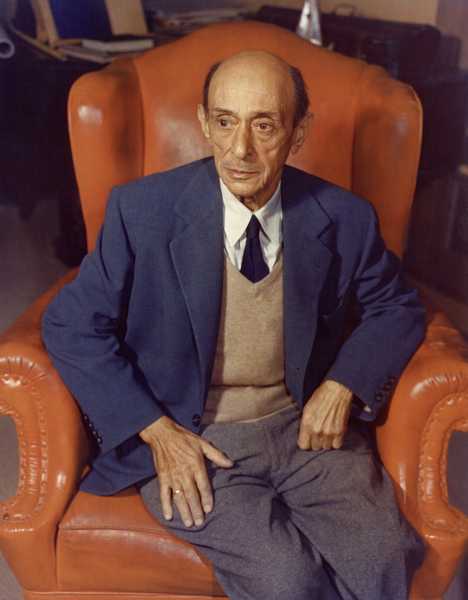
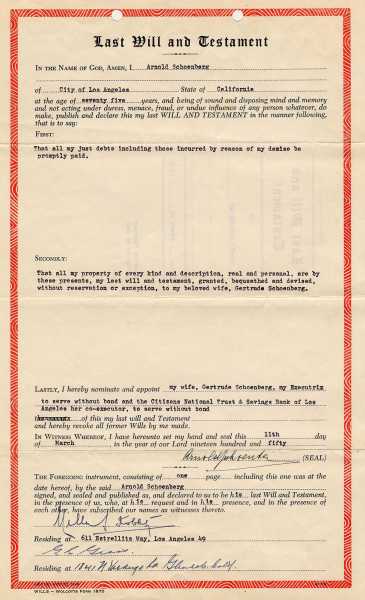
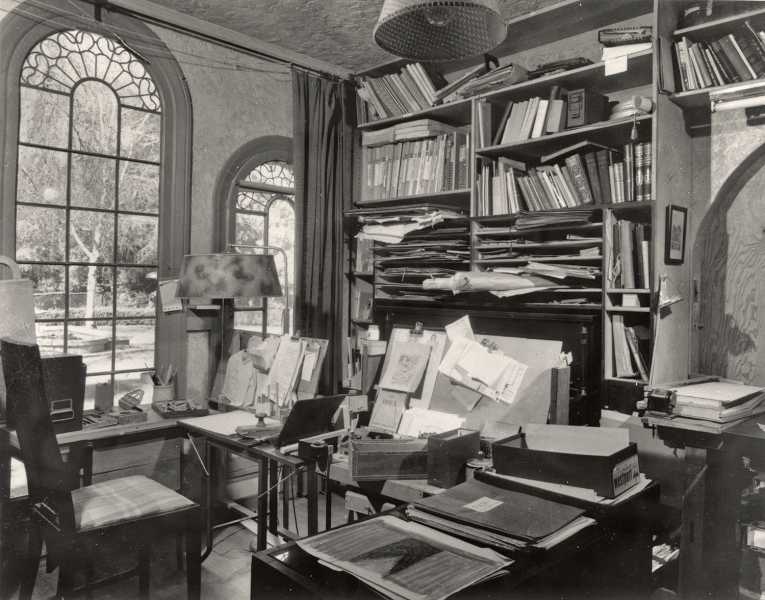
Arnold Schönberg
Timeline
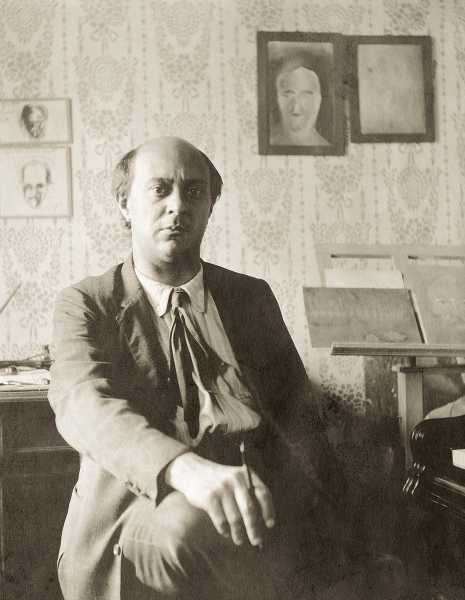
Arnold (Hebrew: Avraham) Schönberg, born on September 13, 1874, son of Samuel and Pauline Schönberg (née Nachod) in Vienna.
His sister Adele (born 1872) dies of meningitis.
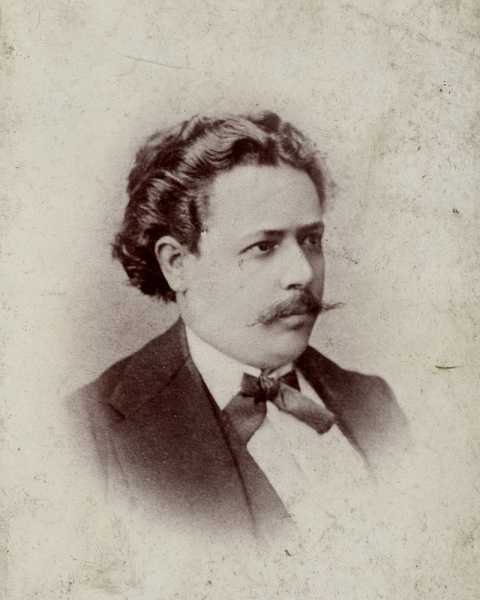
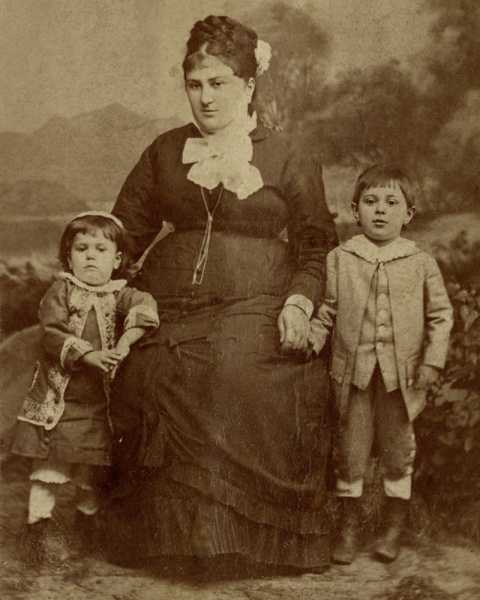
Birth of sister Ottilie.
Birth of brother Heinrich.
Violin lessons.
First attempts at composition.
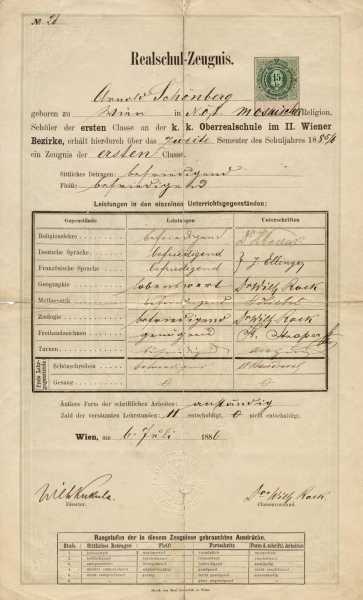
K. k. Staats-Oberrealschule in Vienna's 2nd district.
Samuel Schönberg dies at the age of 51.
Employee of the private bank Werner & Co.
Piano Pieces
String Quartet C major
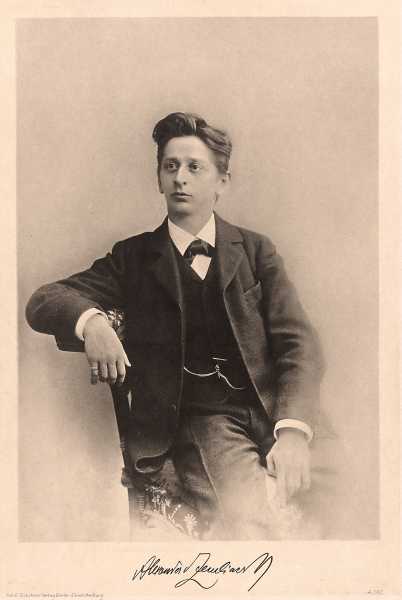
Encounter with composer Alexander Zemlinsky.
Joins the musical association “Polyhymnia.”
Quits his job at the bank and devotes himself exclusively to music.
Begins several years as director of workers' choirs.
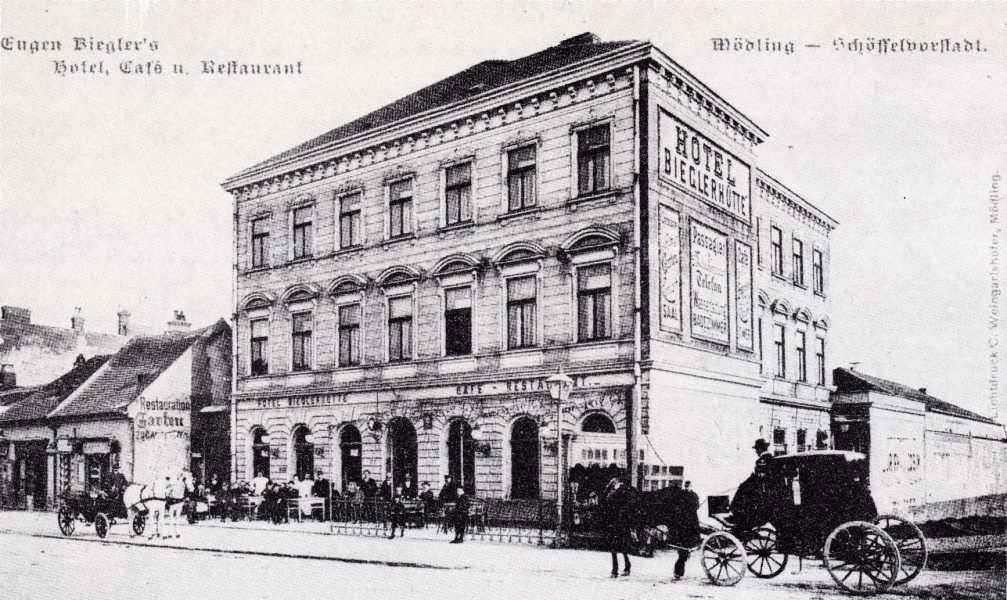
Two Songs for Baritone and piano, op. 1
»Frühlings Tod« für großes Orchester (Fragment)
Conversion to Protestantism (baptismal name: Franz Walter).
Contacts with the literary group “Jung-Wien” (Young Vienna). Beginning of friendship with architect Adolf Loos.
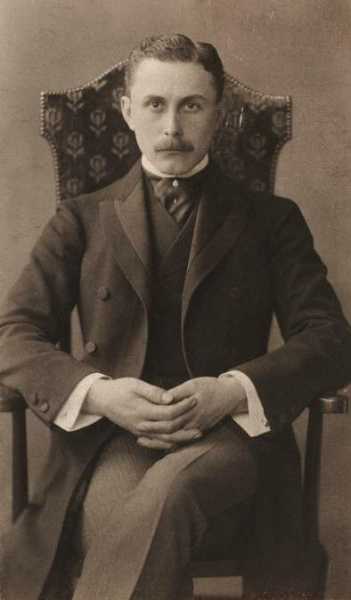
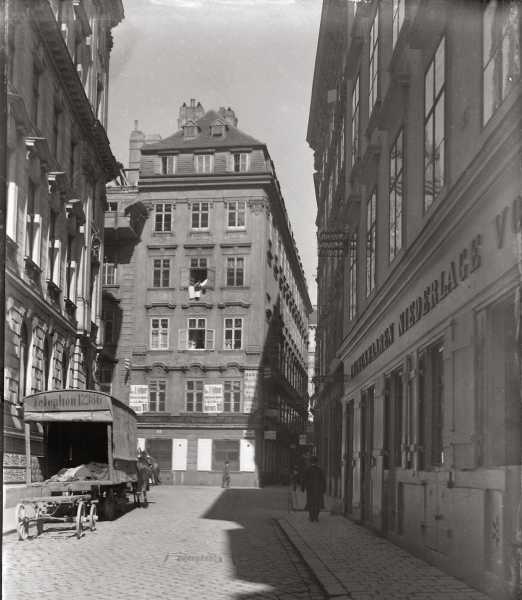
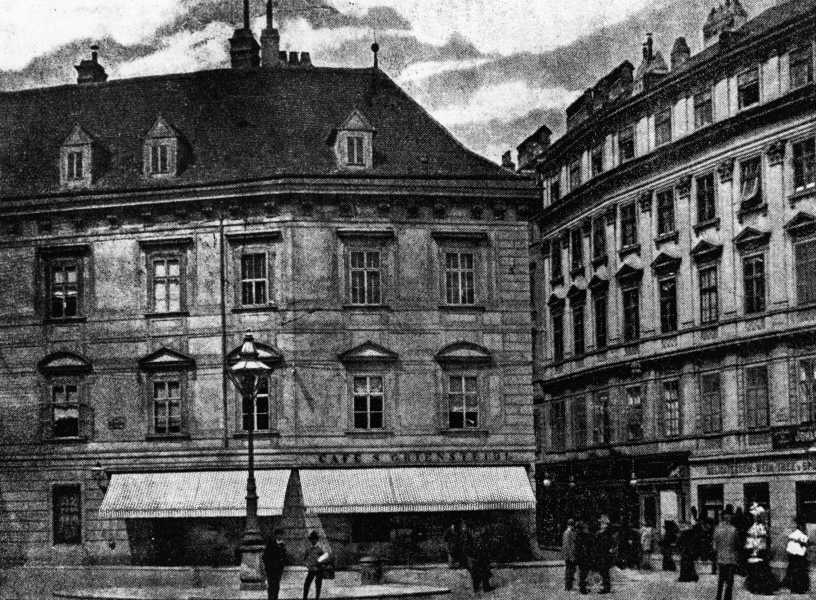
Operetta instrumentations, piano reductions
Supported by the Viennese patron of the arts Carl Redlich.
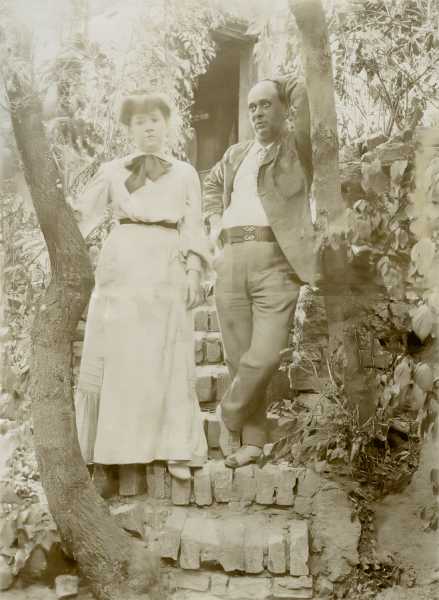
Marriage to Mathilde Zemlinsky. Move to Berlin.
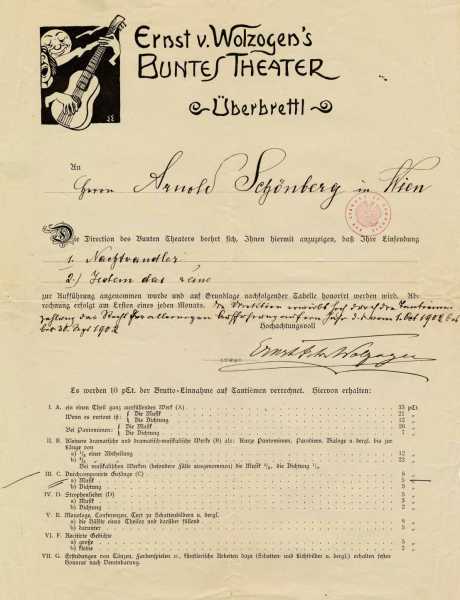
Appointment as conductor at Ernst von Wolzogen's variety theater Buntes Theater (Überbrettl) in Berlin.
Birth of daughter Gertrude.
Encounter with Richard Strauss.
Teaching position at Stern’sches Konservatorium (Stern Conservatory).
Premiere of “Transfigured Night” in Vienna.
Liszt scholarship.
Return to Vienna.
Teaching position at Schwarzwaldschule.
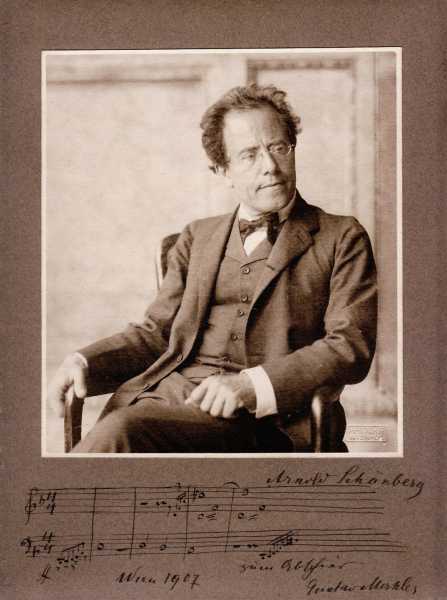
Encounter with Gustav Mahler.
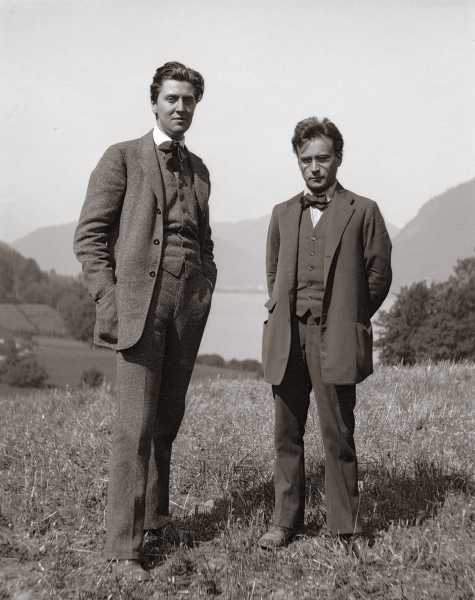
Anton Webern and Alban Berg become his students.
Founding member of the “Vereinigung schaffender Tonkünstler,” an interest group dedicated to promoting contemporary music; Mahler becomes honorary president.
Scholarship from the Schwestern-Fröhlich Foundation.
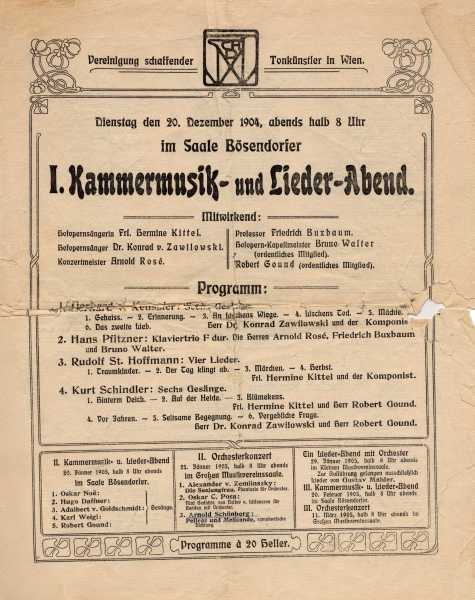
First string quartet in d minor, op. 7
Conducts the world premiere of “Pelleas and Melisande” in Vienna.
Chamber Symphony for 15 solo instruments, op. 9
Birth of his son Georg.
Founds a choral music association together with his brother Heinrich.
Gives private lessons in composition, counterpoint, and harmony.
“Peace on Earth”, op. 13, for mixed choir a cappella
Premiere of the First String Quartet and the Chamber Symphony in Vienna.
Scandal at the premiere of the Second String Quartet in Vienna.
Mathilde Schönberg's affair with the painter Richard Gerstl; Gerstl's suicide.
Five Orchestral Pieces, op. 16
“Expectation”, op. 17, monodrama
Development of a music notation machine to patent readiness.
Acquaintance with the painter Max Oppenheimer.
Extensive engagement with painting.
Arnold Schönberg's Paintings and Drawings
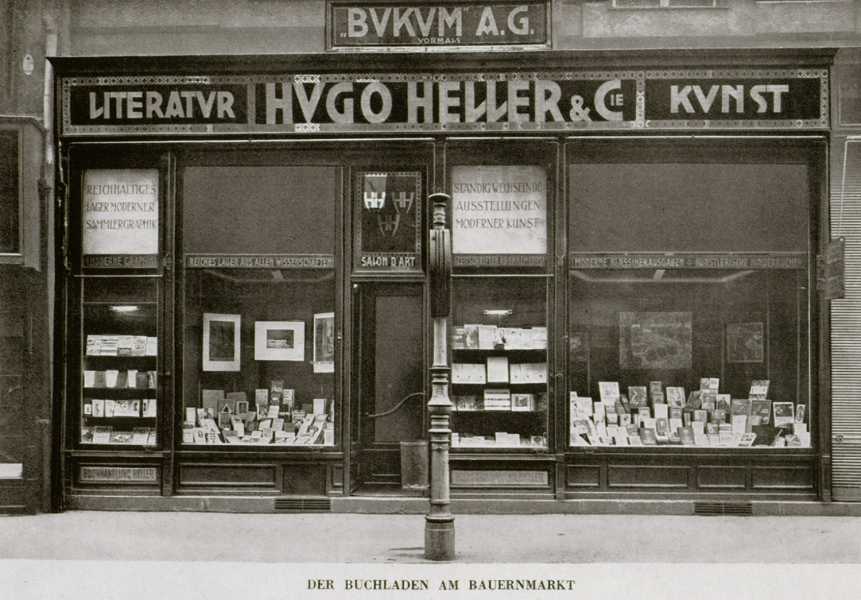
First exhibition of paintings and drawings at Galerie Heller, Vienna.
Lectures at the Imperial Academy of Music (k. k. Akademie für Musik).
Six Little Piano Pieces, op. 19
“Harmonielehre” (Theory of Harmony), textbook
Death of Gustav Mahler.
Beginning of correspondence with painter Wassily Kandinsky.
Moves to Berlin and lectures at Stern Conservatory.
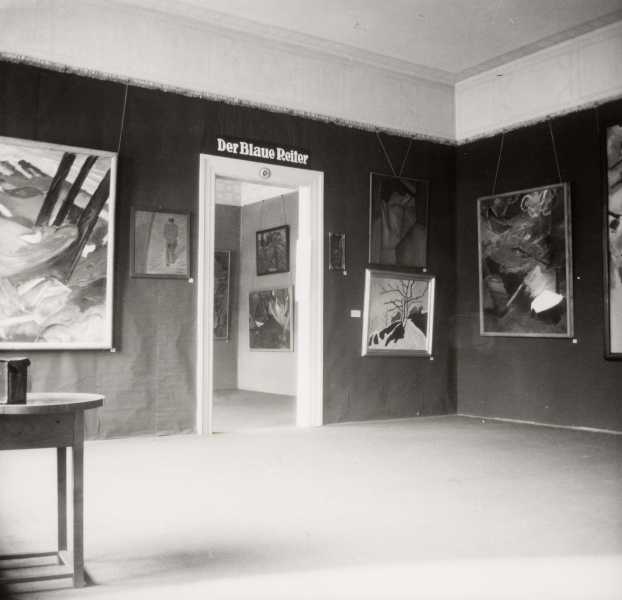
Four paintings are shown in the exhibition “Der Blaue Reiter” (The Blue Rider) at the Thannhauser Gallery in Munich.
“Pierrot lunaire”, op. 21, 21 melodramas for speaking voice and ensemble
Lecture on Gustav Mahler in Prague, Berlin, Vienna, and Stettin (1913).
Lectures on aesthetics and composition at the Stern Conservatory in Berlin.
Conducted “Pelleas und Melisande” in Prague, Amsterdam, The Hague, and St. Petersburg.
Tour with “Pierrot lunaire.”
Great success with the world premiere of Franz Schreker's “Gurre-Lieder” in Vienna.
Scandal during a concert featuring works by Webern, Berg, Schoenberg, and Zemlinsky in Vienna.
Scholarship from the Gustav Mahler Foundation.
Conducts the “Gurre Songs” in Leipzig.
World premiere of the Five Orchestral Pieces in London.
Return to Vienna. Conscription into military service.
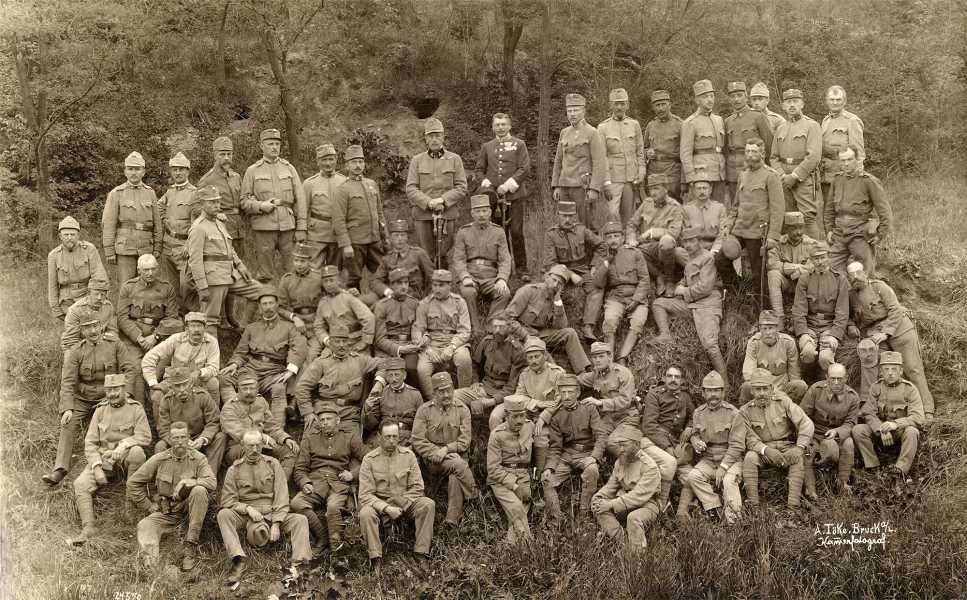
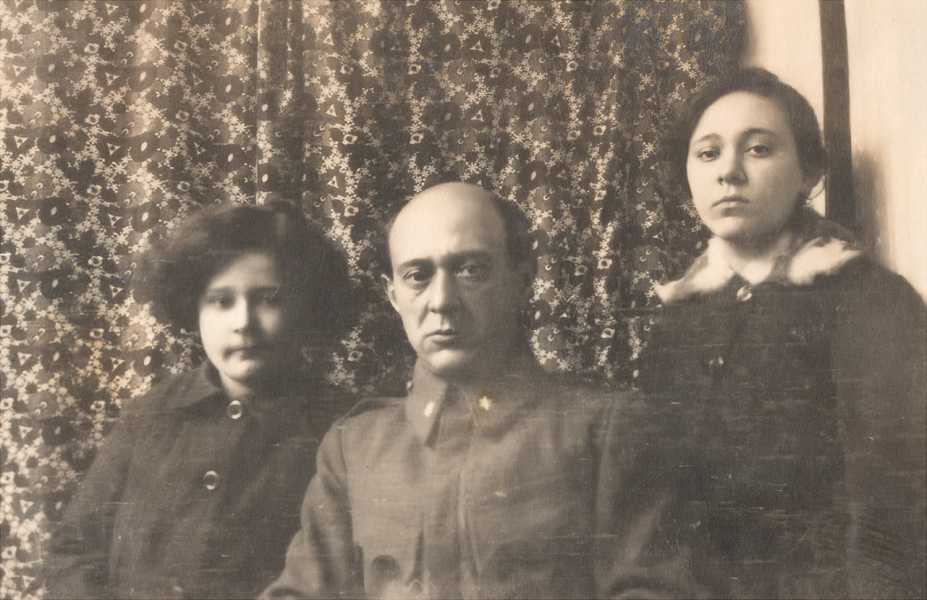
Dismissal from military service.
Teaching at “Schwarzwaldschule”.
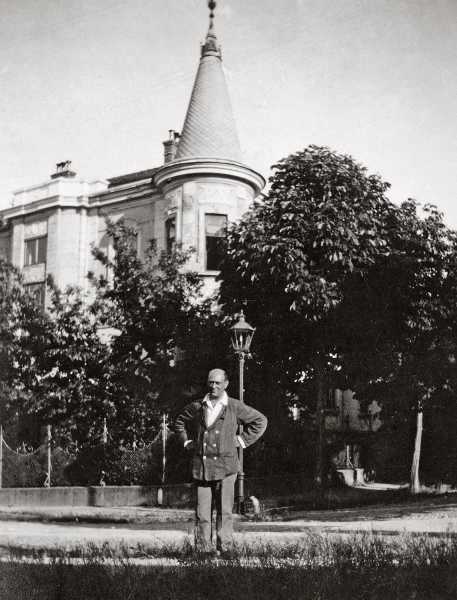
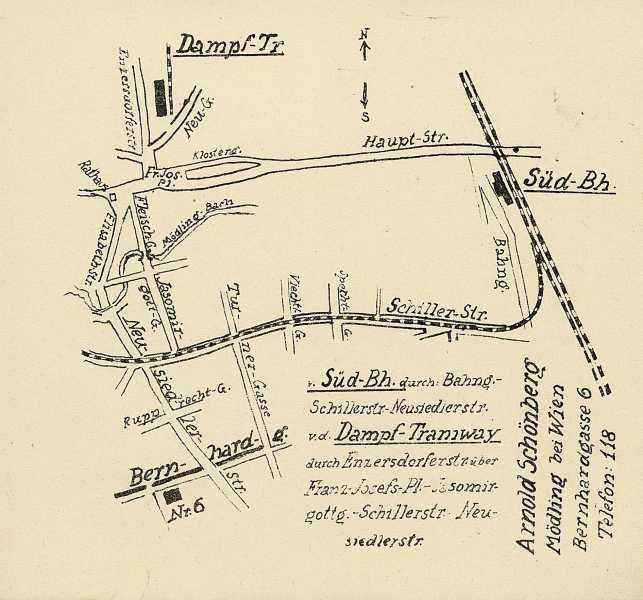
Moved to Mödling near Vienna.
Founded the “Society for Private Musical Performances.”
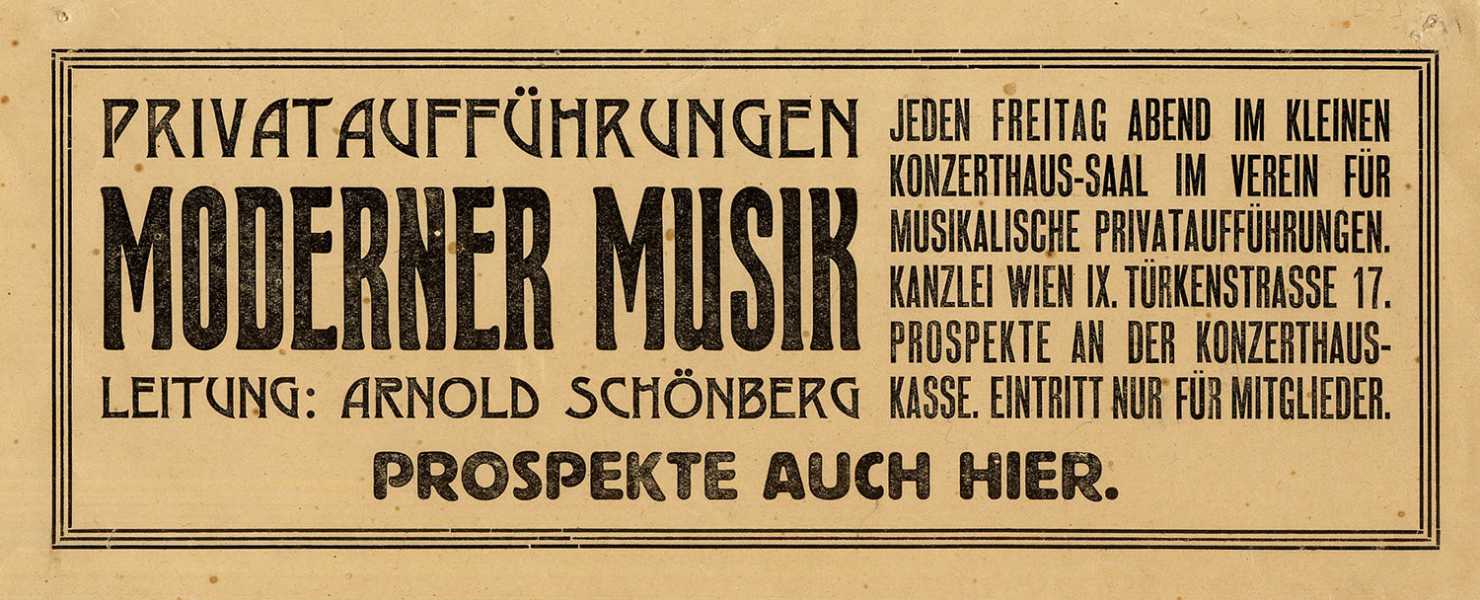
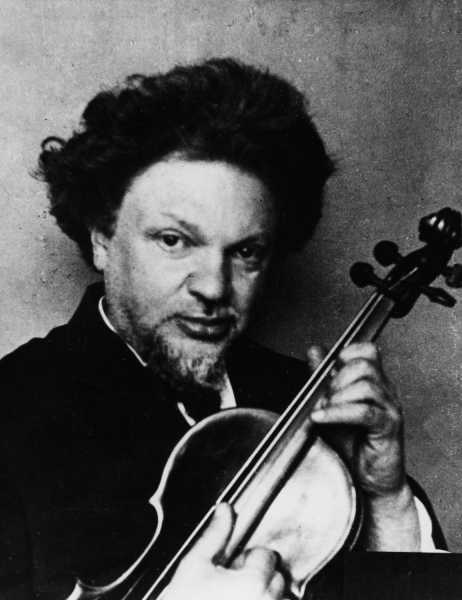
Hanns Eisler and Rudolf Kolisch become his students.
Stay in Zandvoort, Holland; private teaching.
Attends the first Mahler Festival in Amsterdam.
Conducts the “Gurre Songs” at the Vienna State Opera.
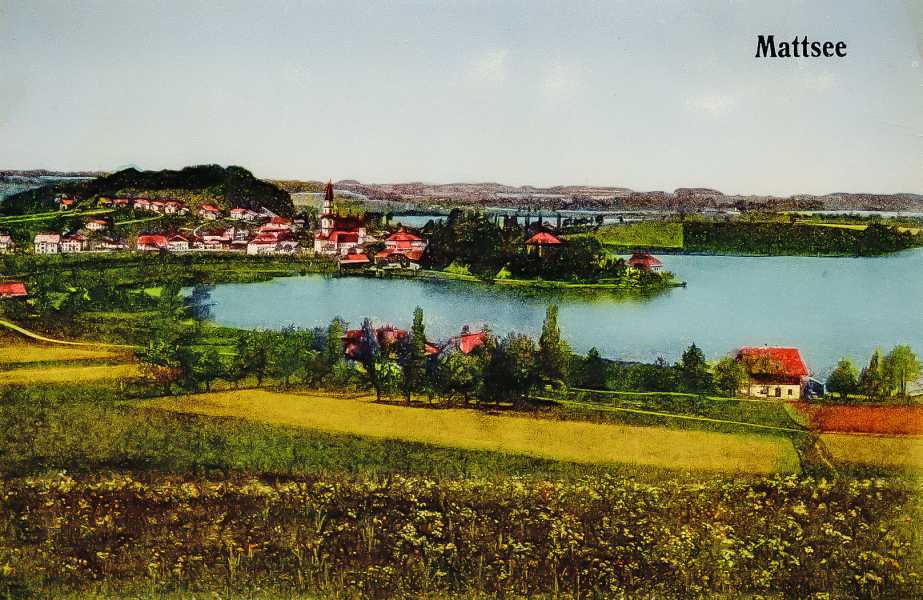
Anti-Semitic hostility, expulsion from the summer resort of Mattsee near Salzburg. (Online exhibition: “Centenary: The Mattsee Incident”)
Develops the “method of composition with twelve tones related only to each other” (Online exhibition: “Composition with Twelve Tones”).
Suite for Piano, op. 25, begun in July 1921 in Traunkirchen; Schönberg's first work in which the “method of composition with twelve interrelated tones” is applied.
Death of his mother Pauline.
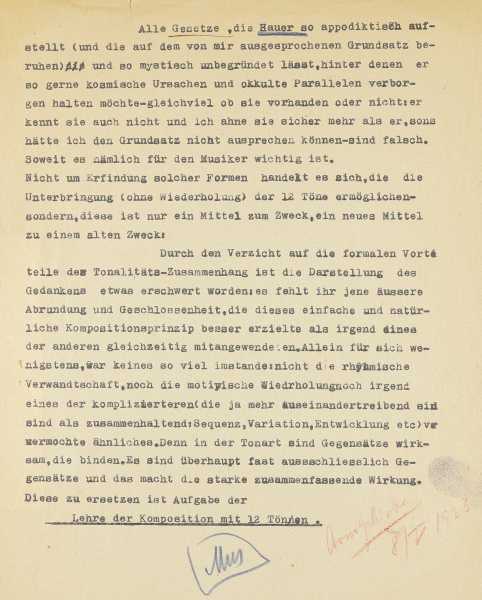
“The Musical Idea” (fragment)
Break with Wassily Kandinsky due to anti-Semitic statements.
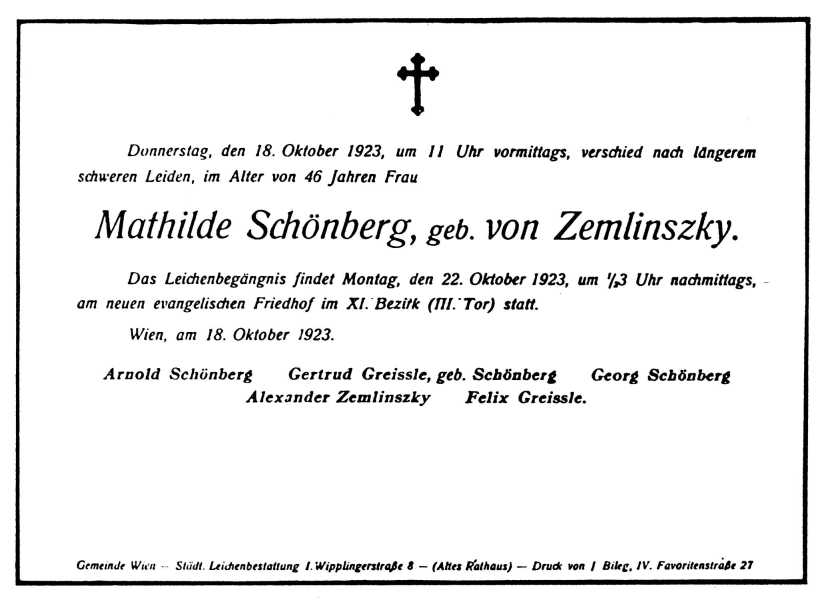
Death of Mathilde Schönberg.
Conducts the premiere of the Serenade in Donaueschingen.
Marries Gertrud Bertha Kolisch, sister of his student Rudolf Kolisch.
Premieres of “”Expectation” (Prague) and “The Lucky Hand” (Vienna).
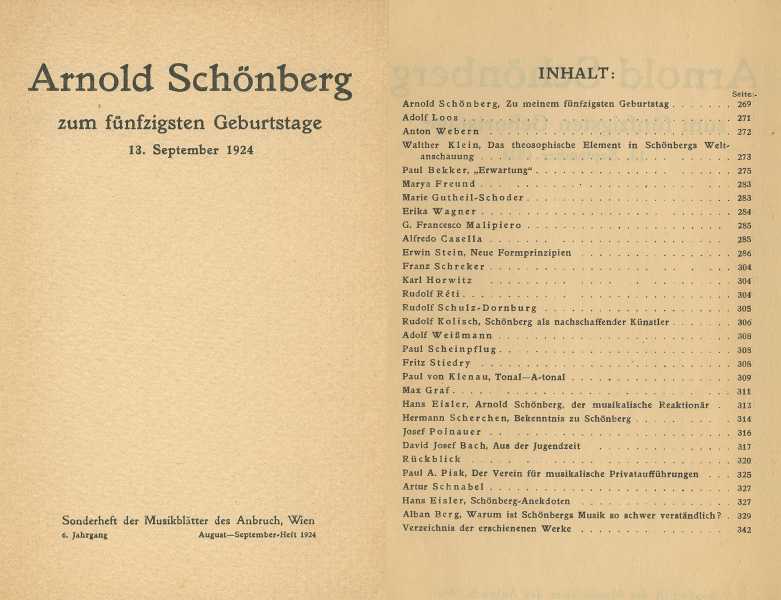
Commemorative publication for his 50th birthday with contributions from friends and artistic colleagues.
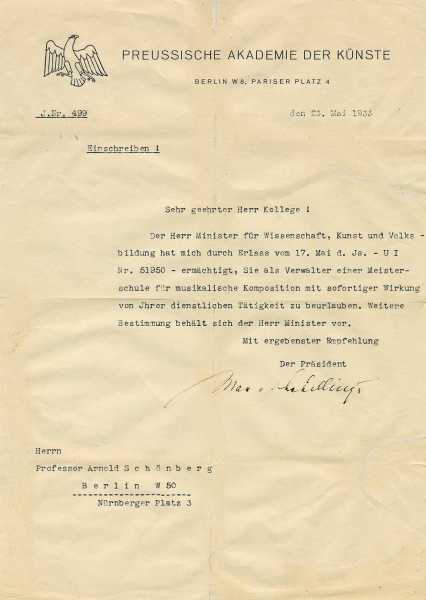
Appointed head of a master class for music at the Berlin Academy of Arts, succeeding Ferruccio Busoni.
Moved to Berlin.
Member of the Senate of the Academy of Arts.
“The Biblical Way,” Zionist spoken drama with stage designs
Variations for orchestra, op. 31
J. S. Bach: Prelude and Fugue in E-flat major, arranged for orchestra
Stays in France.
Premiere of Suite Op. 29 at the Schönberg Festival in Paris.
Conducts the “Gurre Songs” in London.
Gives concerts in Switzerland.
World premiere of the Variations for Orchestra by Wilhelm Furtwängler and the Berlin Philharmonic Orchestra in Berlin.
Stays in Monaco and Holland.
Premiere of the opera “Von heute auf morgen” (From Today to Tomorrow) in Frankfurt am Main.
Premiere of “Begleitungsmusik zu einer Lichtspielszene” (Accompaniment for a Cinematograpic Scene), op. 34, conducted by Otto Klemperer in Berlin.
Stays in Baden-Baden and Switzerland.
Stay in Barcelona.
Radio discussion and lecture in Berlin and Frankfurt.
Birth of daughter Nuria Dorothea in Barcelona.
Return to Berlin.
Leaves Berlin, expelled from the Academy of Arts by the National Socialists.
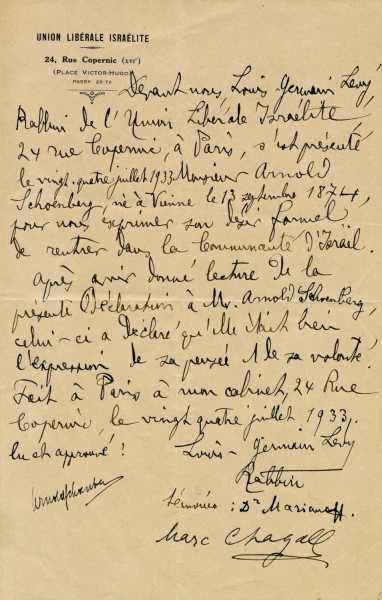
Returns to the Jewish community in Paris (witness: Marc Chagall).
Emigrates to the United States with his wife and daughter. Arrives in New York.
Teaches at the Malkin Conservatory in Boston and in New York.
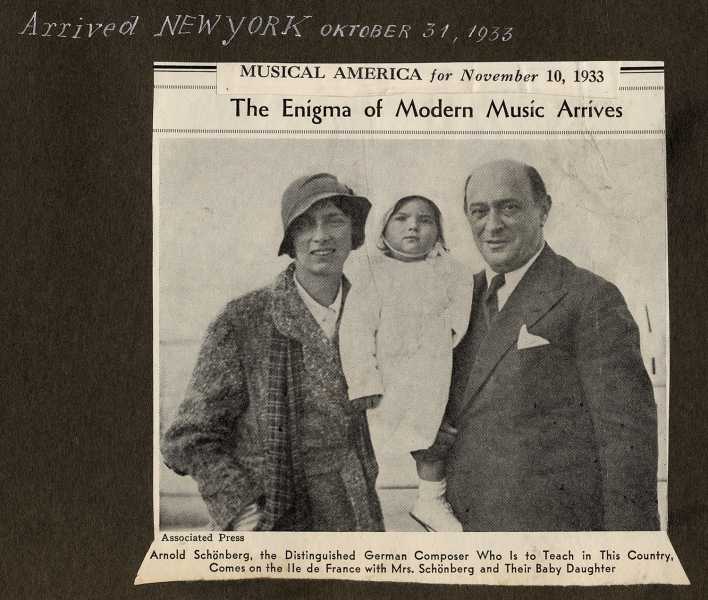
Lectures at the University of Chicago.
Moved to Los Angeles.
Lectures on the situation of the Jews.
Lectures at the University of Southern California; private teaching.
John Cage becomes his student.
Concerto for violin and orchestra, op. 36
Professorship at the University of California, Los Angeles.
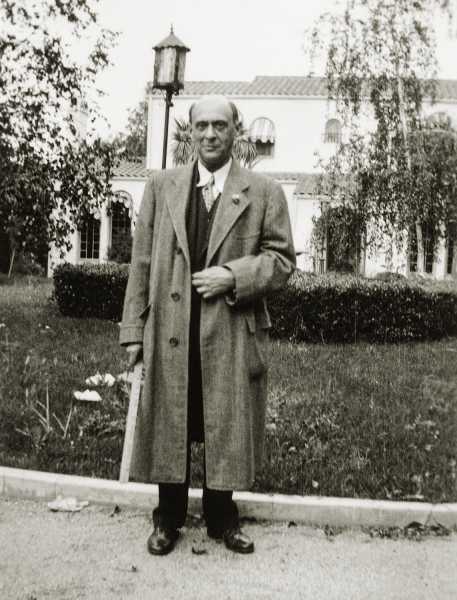
Moves into a house in Brentwood Park, West Los Angeles.
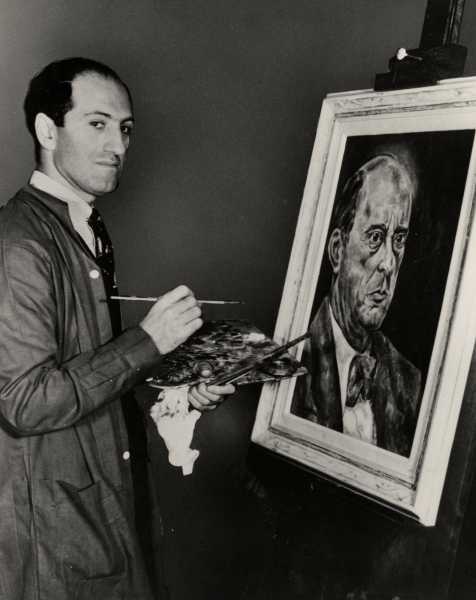
Friendship with George Gershwin.
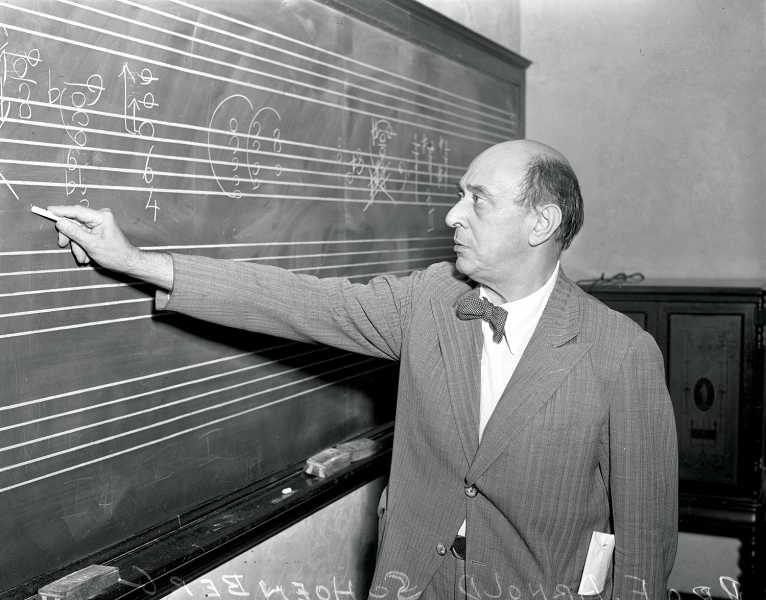
“Fundamentals of Musical Composition,” textbook
Brahms: Piano Quartet in G minor, op. 25, arranged for orchestra
Birth of his son Rudolf Ronald.
World premiere of “Kol Nidre,” op. 39, for narrator, mixed chorus, and orchestra, conducted by Schönberg in Los Angeles.
“Structural Functions of Harmony,” textbook
Recording of “Pierrot lunaire” conducted by Schönberg in New York.
Premiere of the Violin Concerto in Philadelphia, under Leopold Stokowski (soloist and dedicatee: Louis Krasner).
Birth of son Lawrence Adam.
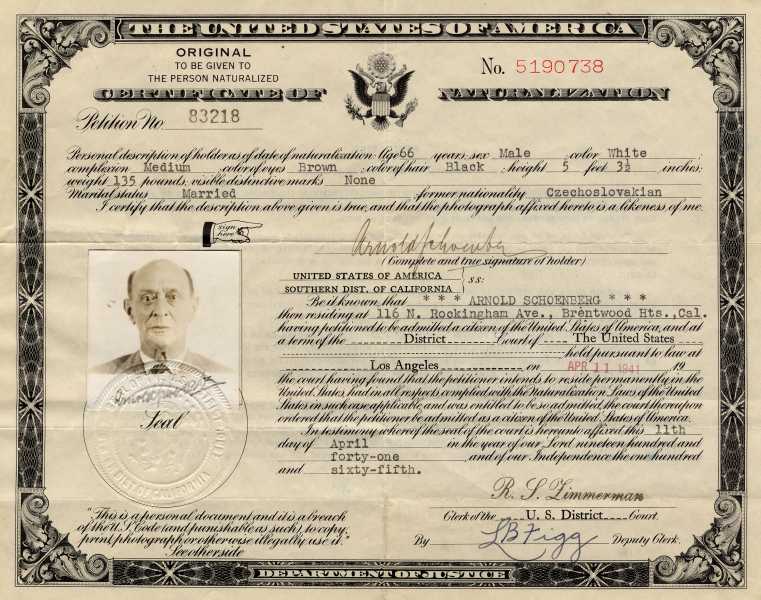
Arnold, Gertrud, and Nuria become US citizens.
Death of brother Heinrich in Salzburg as a result of injuries sustained while in Gestapo custody.
“Ode to Napoleon Buonaparte,” op. 41, for narrator, piano, and string quartet
Concerto for Piano and Orchestra, op. 42
“Models for Beginners in Composition,” textbook
Retired from the University of California at Los Angeles; private teaching.
The application for a Guggenheim Foundation scholarship to complete “Moses and Aron,” “Jacob’s Ladder,” and textbooks is rejected because of Schönberg's age.
Heart attack.
Lectures at the University of Chicago.
“A Survivor from Warsaw,” op. 46, for narrator, male chorus, and orchestra
Elected to the American Academy of Arts and Letters.
Death of his daughter Gertrude in New York.
Premiere of “A Survivor from Warsaw” in Albuquerque, New Mexico.
Summer courses at the Music Academy of the West in Santa Barbara, California.
Phantasy for violin with piano accompaniment, op. 47
“Thrice a Thousand Years,” op. 50A, for mixed chorus a cappella
On the occasion of his 75th birthday, Schönberg is named an honorary citizen of Vienna by the city senate in absentia; due to his poor health, he is unable to accept invitations to visit Europe.
“Psalm 130” (“De Profundis”) op. 50B, for mixed chorus a cappella
“Style and Idea,” essays and lectures
“The Dance Around the Golden Calf” from “Moses and Aaron” premieres in Darmstadt.
Appointed honorary president of the Israelite Music Academy in Jerusalem.
Arnold Schönberg dies on July 13,1951, in Los Angeles.